General Purpose Gloves - CoatedMaxiFlex® Ultimate™34-874
Cut Resistant GlovesMaxiFlex® Cut™34-8743
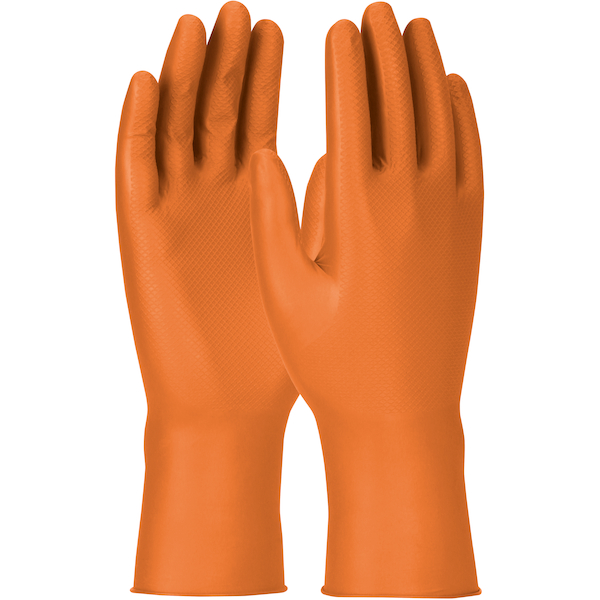
Extended Use Disposable GlovesGrippaz™ Engage67-307
Safety HelmetsTraverse™280-HP1491RVM
Safety HelmetsKilimanjaro™280-HP642R-CH
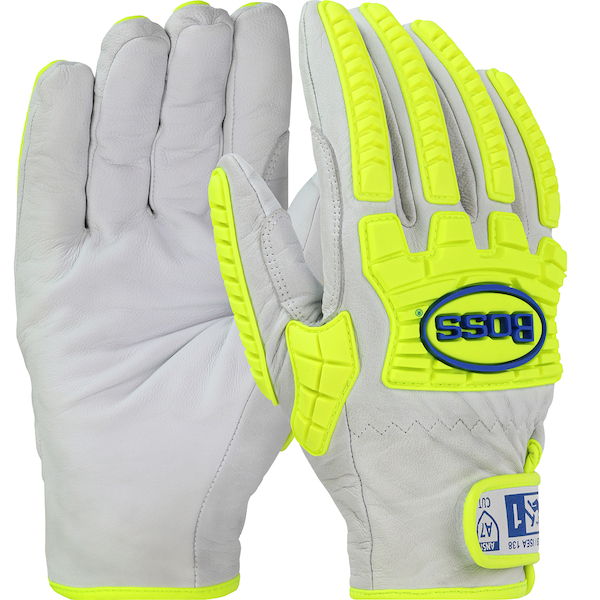
Hi Performance GloveBoss®9916
Arc Protection KitsPIP®9150-52436
Safety HelmetsTraverse™280-HP1491RM
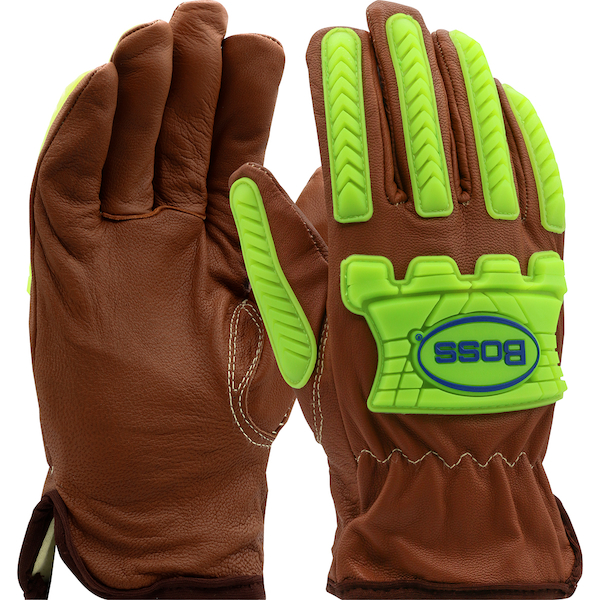
Hi Performance GloveBoss® XtremeKS993KOAB
Protection From ColdG-Tek® PolyKor®41-8035
Extended Use Disposable GlovesGrippaz™ Skins67-246
Hi-Vis Cold GearPIP®343-1756

Caiman® Kontour™Comfortable Welding Gloves

The Importance of Providing Proper Fitting PPE For Women
 (3).jpg)
Revolutionizing Safety with GORE-TEX Pyrad® for Unmatched Arc-Rated PPE Comfort

INTERACTIVE CROSS REFERENCE

THE INDUSTRY'S MOST COMPREHENSIVE OFFERING OF COLD WEATHER PPE

Bouton® FogLess® 3Sixty™ Technology

Essential PPE for Contamination Control in High-Sensitivity Manufacturing Environments

G-Tek® Paradox™Ultra-Lightweight 21G Technology

JSP Force Typhoon™ 8 Twin Filter Half Masks with PressToCheck™

ATA Fiber Technology Strength Meets Comfort

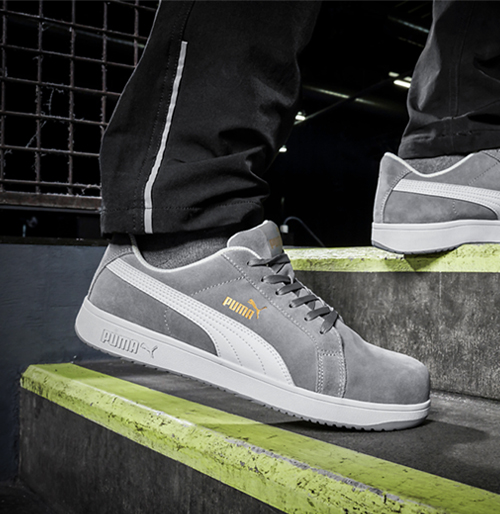
PUMA® SAFETY SHOESHIGH-PERFORMANCE SAFETY FOOTWEAR

BioSoft™ THE WORLD'S FIRST SUSTAINABLE BIO-BASED EAR PLUGS

THE BROADEST LINE OF TYPE II HEAD PROTECTION

Bisley® X-Airflow™Breathable Safety Garments

Hand Protection

PPE For Emergency Responders

INTERACTIVE CROSS REFERENCE

THORZT™ RAPID REHYDRATIONFor the Industrial Athlete
SAFETY IN A FLASHEflare™ Warning Beacons

G-Tek® VRX™ ADVANCED PROTECTION

DISASTER RELIEF PPEEssential Protection for Rescue and Recovery Teams

HALF MASK RESPIRATORS REVOLUTIONARY FORCE TYPHOON™8

Kut Gard® ATA® PreventWear™ Cut Resistant Garments

HAND AND ARM PAIRING GUIDE

ON-SITE PPE ASSESSMENT

Understanding the Main Differences in Welding JacketsLeather vs. FR Cotton (Q&A)

BOSS® FOOTWEARAdvanced Protection & Comfort

How the New ANSI/ASSP Heat Stress Standard is Intensifying Workplace Safety

Bouton OpticalAdvanced Lens Technologies in Safety Eyewear™

4 HIDDEN JOBSITE RISKS And How To Avoid Them

ARC-RATED PYRAD FABRIC TECHNOLOGY BY GORE-TEX LABS

ON-SITE PPE ASSESSMENT

MAKE THE SWAPSustainable Hearing Protection that Doesn't Break the Bank
THE CUT PROTECTION EVOLUTIONWhy It’s Time to Upgrade to A4-A6 Gloves

Barrier Solutions for Clean and Efficient EV Battery Production

Head Protection

COMPARING ADVANCED HEAD PROTECTION SOLUTIONS

PPE For Emergency Responders

Heated Apparel For Cold Climates

THROUGH THE WRINGERHow Industrial Launderable Workwear Stands Up to Mining and Oil & Gas

G-TEK® POSIGRIP MAXLess Effort, More Control.

PIP® WEAR TRIALS

vSeries™ Ear Muffs

WELDING SAFETY SELECTOR GUIDE

3SP ONLINE TRAINING

BisleyPREMIUM EXTREME COLD WORKWEAR

Natural Disaster Relief PPE EXPECT THE UNEXPECTED

MADE-TO-ORDER SLEEVES Custom Options for Enhanced Performance

ADVANCED HEAD PROTECTION EQUIPMENTfor Safer Construction Sites

ON-SITE PPE ASSESSMENT

THORZT™Hydration Solutions Formulation

DISASTER RELIEF PPEEssential Protection for Rescue and Recovery Teams

NOVAX ELECTRICAL SAFETYNot All Gloves Are Created Equal

DISASTER RELIEF PPEEssential Protection for Rescue and Recovery Teams

CONTROLLED ENVIRONMENT SELECTOR GUIDE

3SP ONLINE TRAINING

CUSTOM LOGO SERVICES FAST, EASY & PRECISE

EYE PROTECTION SELECTOR GUIDE
THE HERITAGE LINEPUMA® SAFETY SHOES

Protective Clothing

April is National Welding Month and at PIP®, we want to take this opportunity to celebrate and appreciate the hard-working welders who shape the backbone of various industries across the country.
If you’re familiar with welding, you’ve likely heard the terms heliarc welding, tungsten inert gas welding (TIG) or gas tungsten arc welding (GTAW). For those less familiar, these are terms used for what is commonly referred to as TIG welding. While we won’t dive too deep into the process, we’ll cover the key aspects of TIG welding, and most importantly, how proper protection plays a crucial role, especially in hand protection.
What sets TIG welding apart from MIG and Stick welding is the need to use both hands – and even a foot pedal. One hand holds the TIG torch with a tungsten electrode, while the other manually feeds a thin filler metal rod into the welding pool. At the same time, the foot controls a pedal that adjusts amperage, with higher amperage generating more heat.
TIG welding is considered the most challenging type of welding to master. Unlike MIG welding, where the filler metal is automatically fed through a welding gun, TIG welding demands precise hand-eye coordination and careful amperage control. However, it also produces less heat, minimizing sparkers, spatter, smoke and fumes – especially when working with clean metal. This makes TIG welding ideal for applications requiring precise, high-quality welds, such as those on aesthetic surfaces that will later be painted.
Now that we have a general understanding of TIG welding, let’s discuss the essential personal protective equipment (PPE) welders rely on.
Just like other types of welding, TIG welding requires a welding helmet. Helmets have evolved significantly since their introduction in the 1930s. The biggest advancement detects an arc and darkens the lens to protect the eyes from harmful infrared (IR) and ultraviolet (UV) light. Modern helmets not only provide IR and UV protection, but also thermal and electrical insulation, often designed to be self-extinguishing or noncombustible.
Gloves are another critical piece of PPE. Since TIG welding produces lower heat levels compared to other types of welding, TIG gloves are typically thinner and more flexible, prioritizing dexterity and tactile sensitivity over heat protection. This is essential for welders, as they need a high degree of “feel” to manipulate the thing filler rod with precision.
TIG welding requires hand movements similar to those of a surgeon – precise and controlled. Many welders even size down their gloves for a snug fit, ensuring minimal resistance to hand movements.
Goat grain leather is the most commonly used material for TIG gloves because it is thin yet durable, offering both flexibility and resilience. While other leathers such as kidskin, deer split, sheep grain and cow grain leather can provide similar characteristics, more than 90% of TIG welding gloves on the market are made from goat grain leather.
TIG gloves have evolved significantly in recent years. Traditional unlined designs like the Ironcat® 6141, made from top-grain kidskin leather and sewn with Kevlar® thread, remain popular. However, newer gloves now incorporate cut-resistant liners, like the Ironcat® 6144 with an ANSI/ISEA cut level A4 liner. While TIG welding itself doesn’t pose major cut hazards, pre- and post-welding tasks, such as handling raw sheet metal, can present risks.
Additional innovations include:
As welding gloves continue to improve, these advancements provide valuable benefits for welders, helping them work with greater precision and safety. To explore more about multi-task welding gloves, check out our previous blog, What Are Multi-Task Welding Gloves?
Unlike other welding processes, TIG welding produces minimal heat, sparks and spatter. As a result, heavy leather welding jackets are generally unnecessary and can even be restrictive. Instead, TIG welders often opt for flame-resistant (FR) cotton jackets. The traditional green 9oz FR cotton jacket is the common choice, though new designs offer improved comfort with better fabric softness and enhanced design features, such as the Caiman® 3000.
Additionally, many TIG welders prefer FR long-sleeve shirts or hoodies over traditional welding jackets. These garments provide adequate protection while allowing for greater freedom of movement and comfort.
TIG welding is challenging. It requires a lot of skill and precision, and the weld must often be visually pleasing. These artisans and craftsmen need their gloves and garments to perform at a high level, just like they do, not make their jobs more difficult. There’s a wide variety of PPE on the market – some provide adequate protection but lack performance and comfort, while others, from trusted brands like Caiman® and Ironcat®, enhance safety, comfort and fit. Just like any other tool, some barely get the job done, while others make the job easier.
Need expert advice on the best welding protection? Contact us to learn more!
PIP® Wins the 2025 OH&S Industrial Hygiene Award for G-Tek® Paradox™ 21-Gauge Cut Resistant Gloves
PIP® is thrilled to announce that we have been named a 2025 Occupational Health & Safety (OH&S) Industrial Hygiene Award winner in the Hand Protection: Cut/Puncture category for the NEW G-Tek® …
READ MOREChoosing the Right Gloves for Automotive Manufacturing and Aftermarket Environments
In the fast-paced world of automotive manufacturing and aftermarket services, hands are the most valuable tools. Whether assembling intricate vehicle components on production lines, performing maintenanc…
READ MOREThrough the Wringer: How Industrial Launderable Workwear Stands Up to Mining and Oil & Gas
In 2025, the mining and oil & gas industries continue to play a critical role in global energy production and resource extraction. With increasing demand for raw materials and energy, companies are p…
READ MOREProposition 65 | Privacy Policy | Contact Us | Full Site
© 2012-2025 Protective Industrial Products, Inc. All rights reserved.
CALL US TODAY: (518) 861-0133
CUSTOMER SERVICE DIRECT: (855) 284-6800