General Purpose Gloves - CoatedMaxiFlex® Ultimate™34-874
Cut Resistant GlovesMaxiFlex® Cut™34-8743
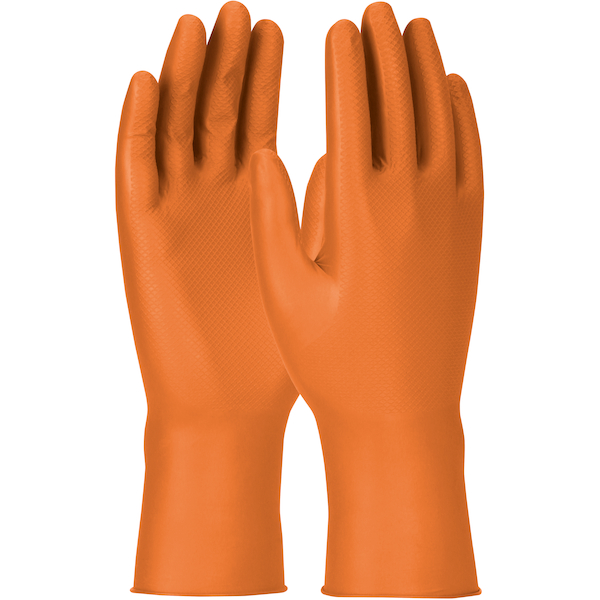
Extended Use Disposable GlovesGrippaz™ Engage67-307
Safety HelmetsTraverse™280-HP1491RVM
Safety HelmetsKilimanjaro™280-HP642R-CH
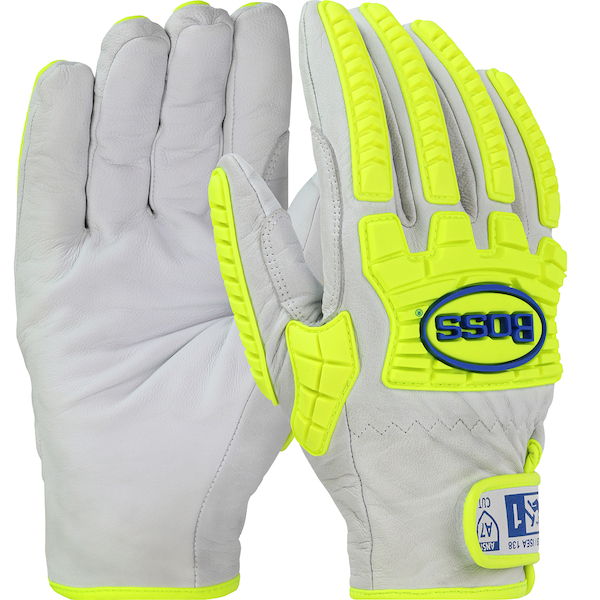
Hi Performance GloveBoss®9916
Arc Protection KitsPIP®9150-52436
Safety HelmetsTraverse™280-HP1491RM
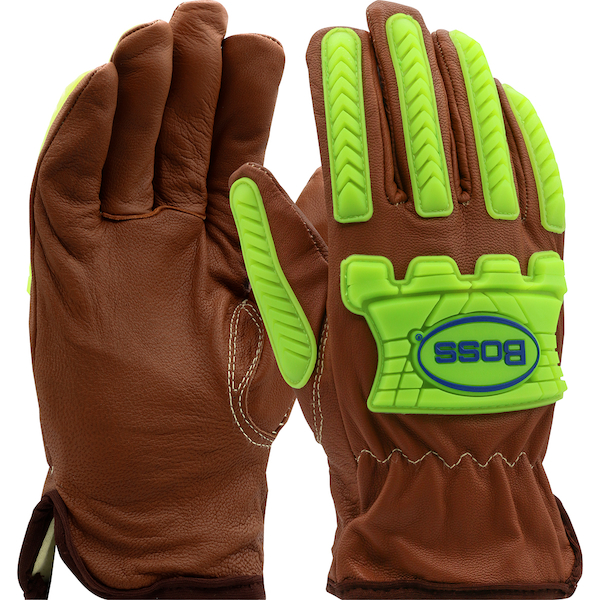
Hi Performance GloveBoss® XtremeKS993KOAB
Protection From ColdG-Tek® PolyKor®41-8035
Extended Use Disposable GlovesGrippaz™ Skins67-246
Hi-Vis Cold GearPIP®343-1756

Caiman® Kontour™Comfortable Welding Gloves

The Importance of Providing Proper Fitting PPE For Women
 (3).jpg)
Revolutionizing Safety with GORE-TEX Pyrad® for Unmatched Arc-Rated PPE Comfort

INTERACTIVE CROSS REFERENCE

THE INDUSTRY'S MOST COMPREHENSIVE OFFERING OF COLD WEATHER PPE

Bouton® FogLess® 3Sixty™ Technology

Essential PPE for Contamination Control in High-Sensitivity Manufacturing Environments

G-Tek® Paradox™Ultra-Lightweight 21G Technology

JSP Force Typhoon™ 8 Twin Filter Half Masks with PressToCheck™

ATA Fiber Technology Strength Meets Comfort

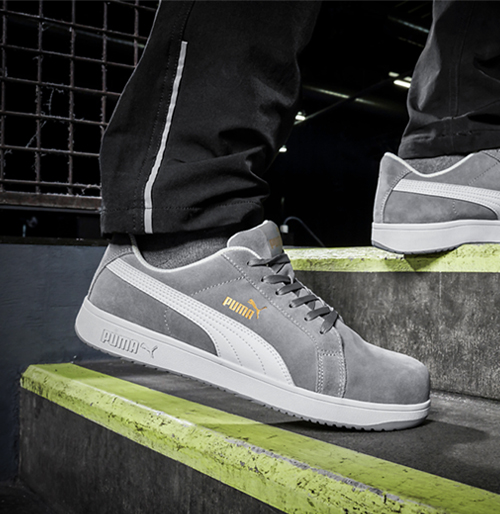
PUMA® SAFETY SHOESHIGH-PERFORMANCE SAFETY FOOTWEAR

BioSoft™ THE WORLD'S FIRST SUSTAINABLE BIO-BASED EAR PLUGS

THE BROADEST LINE OF TYPE II HEAD PROTECTION

Bisley® X-Airflow™Breathable Safety Garments

Hand Protection

PPE For Emergency Responders

INTERACTIVE CROSS REFERENCE

THORZT™ RAPID REHYDRATIONFor the Industrial Athlete
SAFETY IN A FLASHEflare™ Warning Beacons

G-Tek® VRX™ ADVANCED PROTECTION

DISASTER RELIEF PPEEssential Protection for Rescue and Recovery Teams

HALF MASK RESPIRATORS REVOLUTIONARY FORCE TYPHOON™8

Kut Gard® ATA® PreventWear™ Cut Resistant Garments

HAND AND ARM PAIRING GUIDE

ON-SITE PPE ASSESSMENT

Understanding the Main Differences in Welding JacketsLeather vs. FR Cotton (Q&A)

BOSS® FOOTWEARAdvanced Protection & Comfort

How the New ANSI/ASSP Heat Stress Standard is Intensifying Workplace Safety

Bouton OpticalAdvanced Lens Technologies in Safety Eyewear™

4 HIDDEN JOBSITE RISKS And How To Avoid Them

ARC-RATED PYRAD FABRIC TECHNOLOGY BY GORE-TEX LABS

ON-SITE PPE ASSESSMENT

MAKE THE SWAPSustainable Hearing Protection that Doesn't Break the Bank
THE CUT PROTECTION EVOLUTIONWhy It’s Time to Upgrade to A4-A6 Gloves

Barrier Solutions for Clean and Efficient EV Battery Production

Head Protection

COMPARING ADVANCED HEAD PROTECTION SOLUTIONS

PPE For Emergency Responders

Heated Apparel For Cold Climates

THROUGH THE WRINGERHow Industrial Launderable Workwear Stands Up to Mining and Oil & Gas

G-TEK® POSIGRIP MAXLess Effort, More Control.

PIP® WEAR TRIALS

vSeries™ Ear Muffs

WELDING SAFETY SELECTOR GUIDE

3SP ONLINE TRAINING

BisleyPREMIUM EXTREME COLD WORKWEAR

Natural Disaster Relief PPE EXPECT THE UNEXPECTED

MADE-TO-ORDER SLEEVES Custom Options for Enhanced Performance

ADVANCED HEAD PROTECTION EQUIPMENTfor Safer Construction Sites

ON-SITE PPE ASSESSMENT

THORZT™Hydration Solutions Formulation

DISASTER RELIEF PPEEssential Protection for Rescue and Recovery Teams

NOVAX ELECTRICAL SAFETYNot All Gloves Are Created Equal

DISASTER RELIEF PPEEssential Protection for Rescue and Recovery Teams

CONTROLLED ENVIRONMENT SELECTOR GUIDE

3SP ONLINE TRAINING

CUSTOM LOGO SERVICES FAST, EASY & PRECISE

EYE PROTECTION SELECTOR GUIDE
THE HERITAGE LINEPUMA® SAFETY SHOES

Protective Clothing

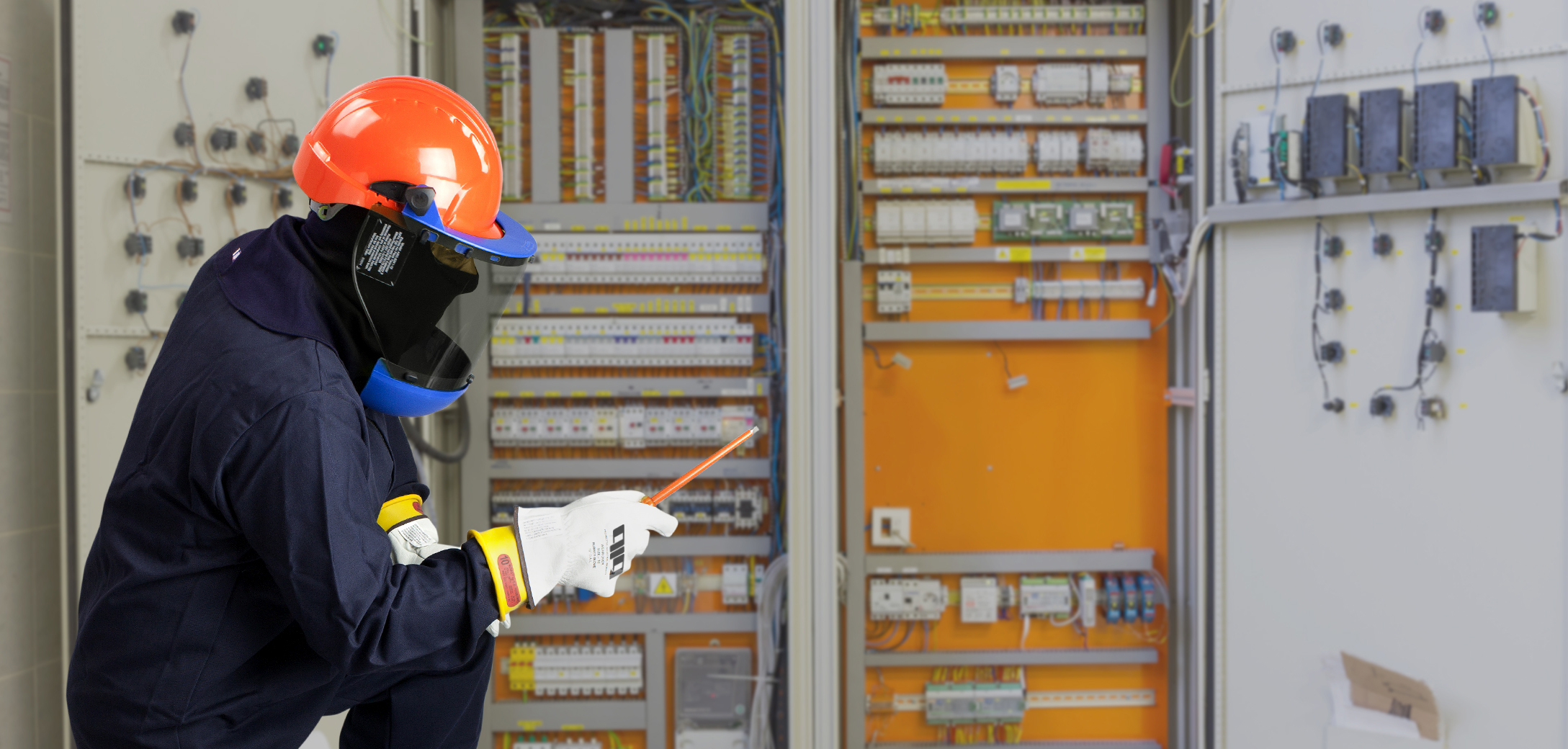
There are few things no utility worker wants to experience – ARC flash is one of them. The phenomenon is described as a sudden, bright, blinding light and heat that occurs because of a rapid release of energy between two bus bars. As much as 80% of all electrical injuries are burns resulting from an ARC flash caused by the ignition of flammable clothing. Let’s highlight six key facts to help understand more about ARC flash risks.
What Is An ARC Flash?
An ARC flash is caused by the ionization of air that can occur under certain conditions during a fault, or short circuit of high voltage equipment. The result is the formation of an electrical ARC of ionized gas that can discharge a violent pressure wave with extreme temperatures as high as 35,000°F.
The violent pressure wave that’s discharged can reach up to 2,000 lbs./square foot, causing serious risks including:
Air and materials exposed to ARC flash expands to be 67,000 times their normal size. A blast can occur when Copper vaporizes as it expands 1,670 times its normal size.
What Causes ARC Flash?
ARC flash can be initiated through accidental contact, equipment which is underrated for the available short circuit current, contamination or tracking over insulated surfaces, deterioration, or corrosion of equipment. In the United States, ARC flashes occur as often as five to 10 times per day.
How Do We Protect Workers?
ARC Rated (AR) Garments help provide flame and thermal break open protection from direct exposure to an electrical ARC flash. AR garments are designed and treated to help limit exposure and burn percentage as a result of the electrical ARC flash incident.
In order for a garment to comply with OSHA 1910.269 or NFPA 70E, it must go through two basic testing requirements of ASTM F1506:
*ASTM F1959 is performed to determine a product or material’s response to an electrical ARC event by establishing an ARC rating (a value attributed to materials describing their performance in an ARC flash hazard). The ARC rating is expressed in cal/cm2 as either an ATPV (ARC thermal performance value- indicating a 50% probability of crossing the Stoll Curve model, which is not necessarily a second degree burn) or an EBT (breakopen threshold energy.)
Flame resistant (FR) garments earn their designation because they are made of fabrics that are inherently resistant to or are treated to be resistant to igniting when exposed directly to flame. The material resists ignition and/or will self-extinguish when ignited and will not melt.
Flame resistant fabric undergoes a Vertical Flame Test (ASTM D6413). To be considered flame resistant, the fabric must self-extinguish within 2 seconds after flame and have a char length of 6” or less. This flammability test applies to an initial sample and after 25 wash cycles.
How Is PPE Rated For ARC Flash?
ARC Thermal Performance Value (ATPV) represents incident energy that results in 50% probability of a second-degree burn (when skin is exposed to 1.2 cal/cm² of incident energy). Materials with an ATPV rating tend to be stronger but offer less thermal protection. Example: 8 cal/cm2.
Energy Break Open Threshold (EBT): Represents incident energy that results in 50% probability of a break open. The material breaks open during ARC testing before a burn could be registered.
Both ATPV and EBT ratings may be reported, but the lower of the two ratings defines the official ARC rating of the garment and must be on the garment label.
What Do You Need To Wear To Be Compliant?
There are many variables to consider when selecting protective clothing. Most importantly, the employer must perform a Hazard Risk Analysis for the workplace to identify risks and set the appropriate boundaries. The results of this analysis will then guide the employer to the level of protection that is needed.
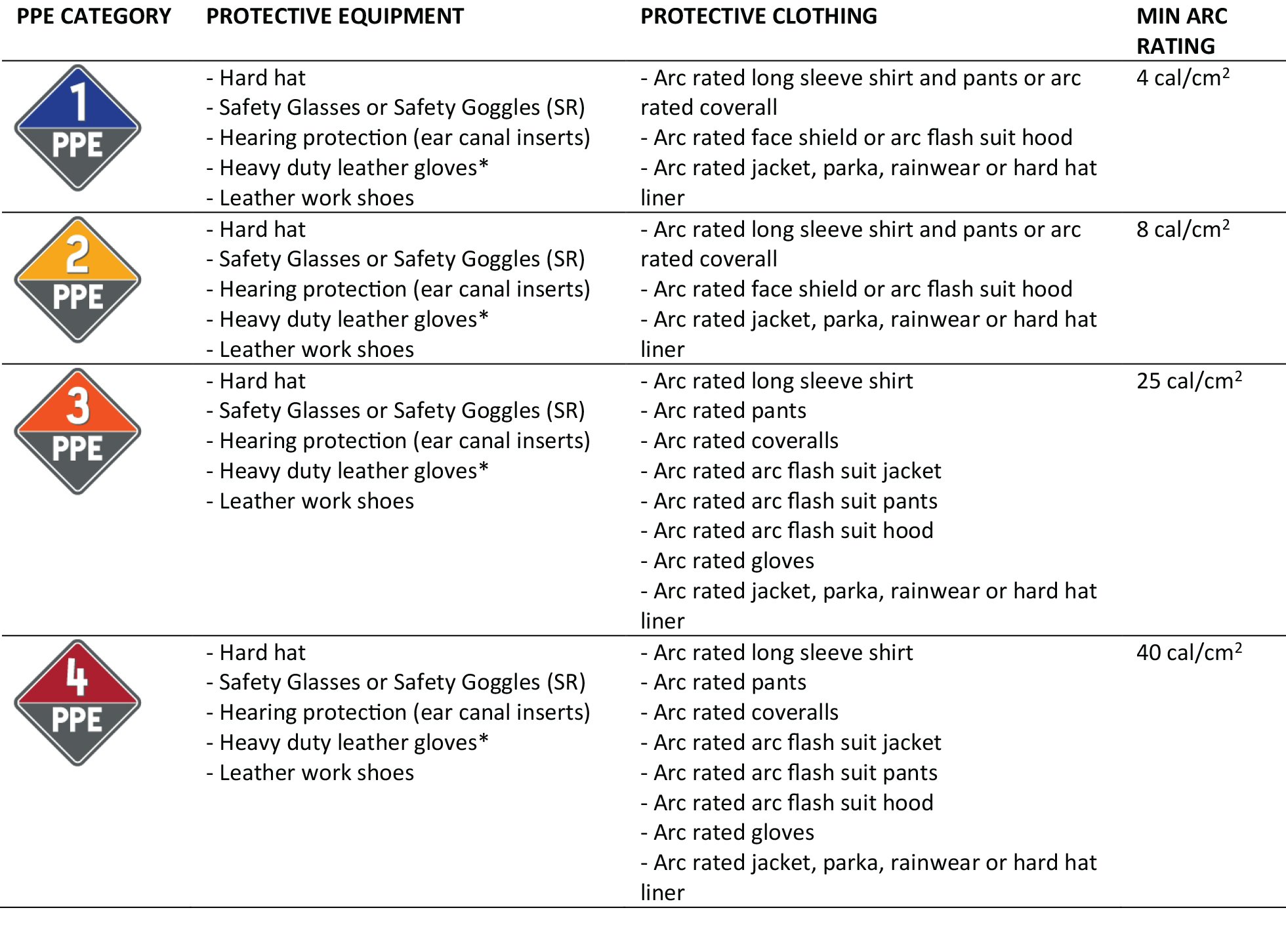
The National Fire Protection Association (NFPA) uses four ARC flash PPE Categories to classify ranges of ARC flash hazards and the corresponding requirements for Personal Protective Equipment (PPE). PPE Category 1 and 2 requirements are typically met with single-layer ARC/FR garments and lighter head and face gear. To meet higher risk hazard levels such as PPE Category 3 or 4, multi-layer garments and headgear with more coverage is required.

* NFPA 70 E Table 130.7(C)(16) Note 1 – The combination of rubber insulating gloves and leather protectors satisfies the arc flash protection requirements.
IMPORTANT: All AR garments are flame-resistant, however not all FR garments are rated for ARC flash protection.
Enforcement & Regulatory Points
Working with energized equipment can pose serious hazards. If you’re interested in learning more about PIP’s PPE solutions that help protect against ARC flash, comment below or contact a local PIP Sales Representative today.
PIP® Wins the 2025 OH&S Industrial Hygiene Award for G-Tek® Paradox™ 21-Gauge Cut Resistant Gloves
PIP® is thrilled to announce that we have been named a 2025 Occupational Health & Safety (OH&S) Industrial Hygiene Award winner in the Hand Protection: Cut/Puncture category for the NEW G-Tek® …
READ MOREChoosing the Right Gloves for Automotive Manufacturing and Aftermarket Environments
In the fast-paced world of automotive manufacturing and aftermarket services, hands are the most valuable tools. Whether assembling intricate vehicle components on production lines, performing maintenanc…
READ MOREThrough the Wringer: How Industrial Launderable Workwear Stands Up to Mining and Oil & Gas
In 2025, the mining and oil & gas industries continue to play a critical role in global energy production and resource extraction. With increasing demand for raw materials and energy, companies are p…
READ MOREProposition 65 | Privacy Policy | Contact Us | Full Site
© 2012-2025 Protective Industrial Products, Inc. All rights reserved.
CALL US TODAY: (518) 861-0133
CUSTOMER SERVICE DIRECT: (855) 284-6800