General Purpose Gloves - CoatedMaxiFlex® Ultimate™34-874
Cut Resistant GlovesMaxiFlex® Cut™34-8743
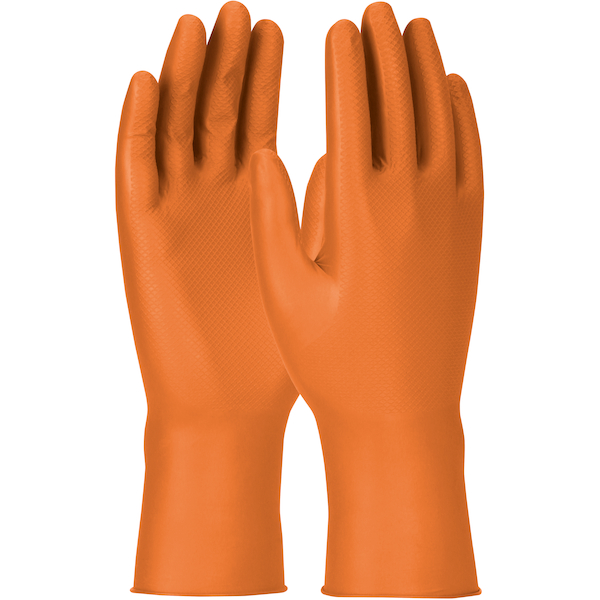
Extended Use Disposable GlovesGrippaz™ Engage67-307
Safety HelmetsTraverse™280-HP1491RVM
Safety HelmetsKilimanjaro™280-HP642R-CH
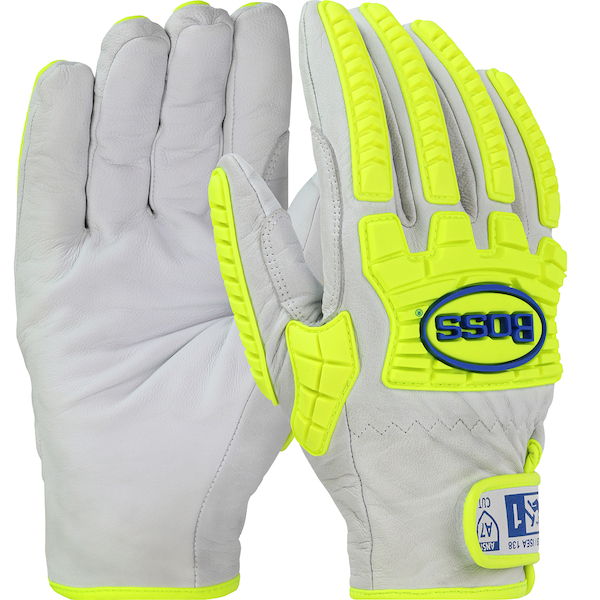
Hi Performance GloveBoss®9916
Arc Protection KitsPIP®9150-52436
Safety HelmetsTraverse™280-HP1491RM
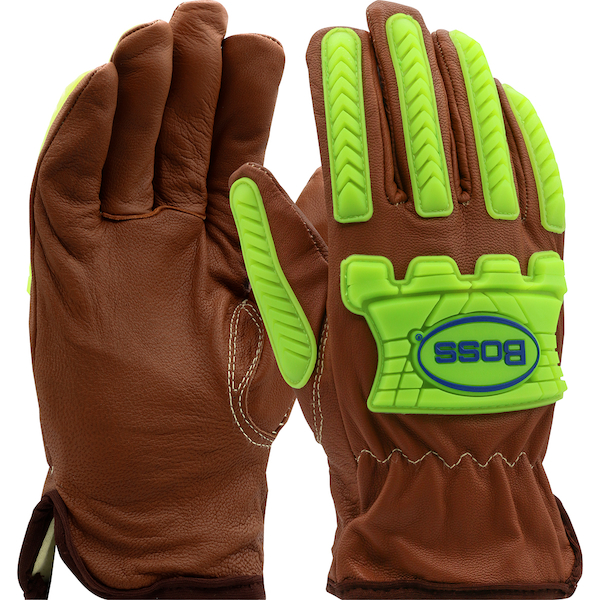
Hi Performance GloveBoss® XtremeKS993KOAB
Protection From ColdG-Tek® PolyKor®41-8035
Extended Use Disposable GlovesGrippaz™ Skins67-246
Hi-Vis Cold GearPIP®343-1756

Caiman® Kontour™Comfortable Welding Gloves

The Importance of Providing Proper Fitting PPE For Women
 (3).jpg)
Revolutionizing Safety with GORE-TEX Pyrad® for Unmatched Arc-Rated PPE Comfort

INTERACTIVE CROSS REFERENCE

THE INDUSTRY'S MOST COMPREHENSIVE OFFERING OF COLD WEATHER PPE

Bouton® FogLess® 3Sixty™ Technology

Essential PPE for Contamination Control in High-Sensitivity Manufacturing Environments

G-Tek® Paradox™Ultra-Lightweight 21G Technology

JSP Force Typhoon™ 8 Twin Filter Half Masks with PressToCheck™

ATA Fiber Technology Strength Meets Comfort

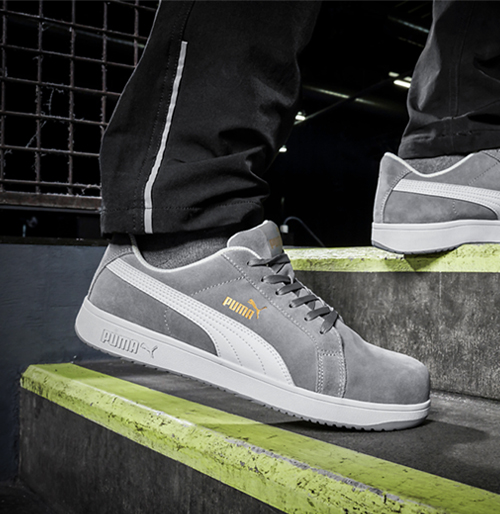
PUMA® SAFETY SHOESHIGH-PERFORMANCE SAFETY FOOTWEAR

BioSoft™ THE WORLD'S FIRST SUSTAINABLE BIO-BASED EAR PLUGS

THE BROADEST LINE OF TYPE II HEAD PROTECTION

Bisley® X-Airflow™Breathable Safety Garments

Hand Protection

PPE For Emergency Responders

INTERACTIVE CROSS REFERENCE

THORZT™ RAPID REHYDRATIONFor the Industrial Athlete
SAFETY IN A FLASHEflare™ Warning Beacons

G-Tek® VRX™ ADVANCED PROTECTION

DISASTER RELIEF PPEEssential Protection for Rescue and Recovery Teams

HALF MASK RESPIRATORS REVOLUTIONARY FORCE TYPHOON™8

Kut Gard® ATA® PreventWear™ Cut Resistant Garments

HAND AND ARM PAIRING GUIDE

ON-SITE PPE ASSESSMENT

Understanding the Main Differences in Welding JacketsLeather vs. FR Cotton (Q&A)

BOSS® FOOTWEARAdvanced Protection & Comfort

How the New ANSI/ASSP Heat Stress Standard is Intensifying Workplace Safety

Bouton OpticalAdvanced Lens Technologies in Safety Eyewear™

4 HIDDEN JOBSITE RISKS And How To Avoid Them

ARC-RATED PYRAD FABRIC TECHNOLOGY BY GORE-TEX LABS

ON-SITE PPE ASSESSMENT

MAKE THE SWAPSustainable Hearing Protection that Doesn't Break the Bank
THE CUT PROTECTION EVOLUTIONWhy It’s Time to Upgrade to A4-A6 Gloves

Barrier Solutions for Clean and Efficient EV Battery Production

Head Protection

COMPARING ADVANCED HEAD PROTECTION SOLUTIONS

PPE For Emergency Responders

Heated Apparel For Cold Climates

THROUGH THE WRINGERHow Industrial Launderable Workwear Stands Up to Mining and Oil & Gas

G-TEK® POSIGRIP MAXLess Effort, More Control.

PIP® WEAR TRIALS

vSeries™ Ear Muffs

WELDING SAFETY SELECTOR GUIDE

3SP ONLINE TRAINING

BisleyPREMIUM EXTREME COLD WORKWEAR

Natural Disaster Relief PPE EXPECT THE UNEXPECTED

MADE-TO-ORDER SLEEVES Custom Options for Enhanced Performance

ADVANCED HEAD PROTECTION EQUIPMENTfor Safer Construction Sites

ON-SITE PPE ASSESSMENT

THORZT™Hydration Solutions Formulation

DISASTER RELIEF PPEEssential Protection for Rescue and Recovery Teams

NOVAX ELECTRICAL SAFETYNot All Gloves Are Created Equal

DISASTER RELIEF PPEEssential Protection for Rescue and Recovery Teams

CONTROLLED ENVIRONMENT SELECTOR GUIDE

3SP ONLINE TRAINING

CUSTOM LOGO SERVICES FAST, EASY & PRECISE

EYE PROTECTION SELECTOR GUIDE
THE HERITAGE LINEPUMA® SAFETY SHOES

Protective Clothing
It’s no surprise that workers in the construction industry are at a high risk of accidents; the industry consistently ranks as one of the most dangerous in the U.S. The causes of workplace injuries have remained relatively unchanged over time, with slips, trips and falls accounting for a majority of workplace accidents. Yet new technologies have begun to emerge in recent years that are providing critical safety measures for workers. From wearable technology and sensors to smart helmets and helmet-based safety add-ons, there are several advancements working to provide a safer workplace.
The Occupational Safety and Health Administration (OSHA) requires personal protective equipment (PPE) for eyes, face, head, and extremities, including protective clothing, respiratory protection devices and shields and barriers. Additionally, employees who are potentially exposed to the risk of head injury from impact, falling or flying objects, or electrical shock and burns, must wear head protection. While OSHA does have measures in place to ensure workers are wearing appropriate PPE (they recently required their own employees to transition from hard hats to safety helmets) there aren’t regulations that require the use of new technologies.
Therefore, it's up to employers and safety managers to ensure they're keeping informed of the latest technologies, and how they can provide enhanced workplace safety.
Wearable technology is nothing new for consumers, but the construction industry has yet to see widespread adoption in the workplace. For those at risk of injuries throughout the day, wearable technology can sound the alarm when workers are injured, or even before an accident occurs. For example, safety vests can be equipped with sensors embedded into or clipped onto the vest. These vests can monitor workers’ physiological conditions, such as blood pressure, body temperature or pulse rate, all of which could indicate if a worker is at risk of heat stress or high blood pressure. Through a connection to smartphones or a remote computer, these sensors can send an alarm if workers’ vital signs indicate a high risk of a medical emergency. Additionally, by utilizing GPS technology, smart vests can actively monitor a worker’s location, and alert them if they enter a danger zone on a job site.
Wearable technology has extended to safety helmets as well. Sensor bands can be installed in helmets that detect workers’ health factors, such as falling asleep or fatigue. By tracking electroencephalogram (EEG) brain waves, sensor bands can identify vital signs indicating fatigue, and alert connected devices of the risk. Like smart vests, smart helmets can also deploy proximity sensors to detect if objects or others are close to the worker, giving them a better sense of their surroundings. In other words, proximity sensors can sound the alarm before a potential collision and accident occurs.
Another safety helmet focus: rotational motion mitigation. First things first, rotational motion can result from oblique impacts to the head and consists of a combination of rotational forces (angular acceleration) and rotational energy (angular velocity). The transfer of this rotation to the head can result in shearing and damage to the brain’s axons, the cable transmitters of the neurons. Given the brain has shear properties similar to water or gel, it is typically more sensitive to rotational motion than linear motion, or an impact that occurs to the crown of the head. When different parts of the brain move relative to each other due to rotational motion, stretching tissues can cause concussions or other brain injuries.
This is critical for the construction industry to understand, given that research indicates when most people make an impact with the ground or are struck by a falling object, it typically occurs at an angle. However, there are safety systems developed that are intended to help redirect rotational motion that might otherwise be transferred to the user’s head, like the Mips® safety system, which consists of a low friction layer mounted in the helmet. In the event of an impact or a fall, the low friction layer is designed to move slightly inside the helmet to help redirect forces away from the head.
In recent years, safety helmet mandates have extended beyond construction job sites to encompass vital sectors like mining, manufacturing, oil and gas, and electrical work across the nation, indicating a broadening commitment to worker safety in various industries. To address this critical need, PIP® launched a comprehensive line of safety helmets that integrate Mips® technology.
The Dynamic® Rocky™ industrial climbing helmet with Mips® technology was designed to address the trending head injury statistics recorded in the construction industry. Featuring a super lightweight ABS shell and an integrated 4-point chinstrap, this design ensures a comfortable and secure fit for workers to prevent the risk of the helmet dislodging, in the event of a slip, trip or fall.
The Rocky™ features ANSI/ISEA Z89.1 Type II impact protection and meets CSA Z94.1, meeting the standards of the Canadian market. The non-vented shell provides Class E electrical head protection for safe use around electrical hazards up to 20,000V, making it suitable for construction, mining, and electrical work. Compatible with a custom Dynamic® mounting bracket, the Rocky™ can be used in conjunction with any PIP® safety visor and VSeries™ cap-mounted ear muffs to provide total above-the-neck protection.
Building on the success of the Rocky™, the launch of the PIP® Traverse™ Industrial Climbing Helmet has revolutionized our approach to head protection. By integrating Mips® and meeting both ANSI Z89.1-2024 Type II Industrial Head Protection requirements and the European EN 12492 Mountaineering Equipment Standard, this helmet not only meets but exceeds safety standards, providing unparalleled protection against rotational forces during impacts. Traverse™ helmets are made of an ultralightweight ABS shell and an integrated hi-density inner shell foam liner that work in conjunction with the highly adjustable 4-point nylon inner suspension to provide exceptional top-of-head and lateral impact hazards.
The PIP® Traverse™ Industrial Climbing Helmet is offered in two styles and includes a unique line of customized accessories and replacement parts, allowing it to be adapted to various working environments.
By leveraging cutting-edge advancements like Mips®, PIP® reaffirms its position as a leader in providing premium safety solutions that prioritize the well-being of workers in various environments. We’re constantly striving to implement the latest technologies in our safety products. Contact us to see how our team can help you!
This article was originally written by Joe Brandel, Business Development Manager for NA Industrial Safety Market, Mips® and PIP® and published in ISHN’s April 2024 Issue.
PIP® Wins the 2025 OH&S Industrial Hygiene Award for G-Tek® Paradox™ 21-Gauge Cut Resistant Gloves
PIP® is thrilled to announce that we have been named a 2025 Occupational Health & Safety (OH&S) Industrial Hygiene Award winner in the Hand Protection: Cut/Puncture category for the NEW G-Tek® …
READ MOREChoosing the Right Gloves for Automotive Manufacturing and Aftermarket Environments
In the fast-paced world of automotive manufacturing and aftermarket services, hands are the most valuable tools. Whether assembling intricate vehicle components on production lines, performing maintenanc…
READ MOREThrough the Wringer: How Industrial Launderable Workwear Stands Up to Mining and Oil & Gas
In 2025, the mining and oil & gas industries continue to play a critical role in global energy production and resource extraction. With increasing demand for raw materials and energy, companies are p…
READ MOREProposition 65 | Privacy Policy | Contact Us | Full Site
© 2012-2025 Protective Industrial Products, Inc. All rights reserved.
CALL US TODAY: (518) 861-0133
CUSTOMER SERVICE DIRECT: (855) 284-6800