General Purpose Gloves - CoatedMaxiFlex® Ultimate™34-874
Cut Resistant GlovesMaxiFlex® Cut™34-8743
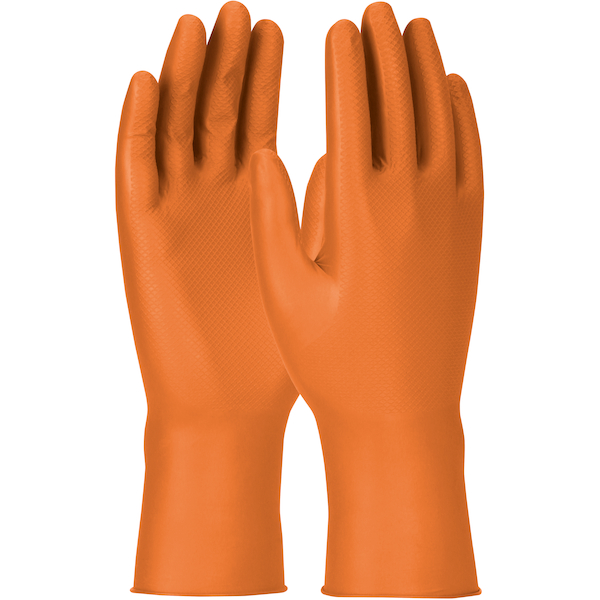
Extended Use Disposable GlovesGrippaz™ Engage67-307
Safety HelmetsTraverse™280-HP1491RVM
Safety HelmetsKilimanjaro™280-HP642R-CH
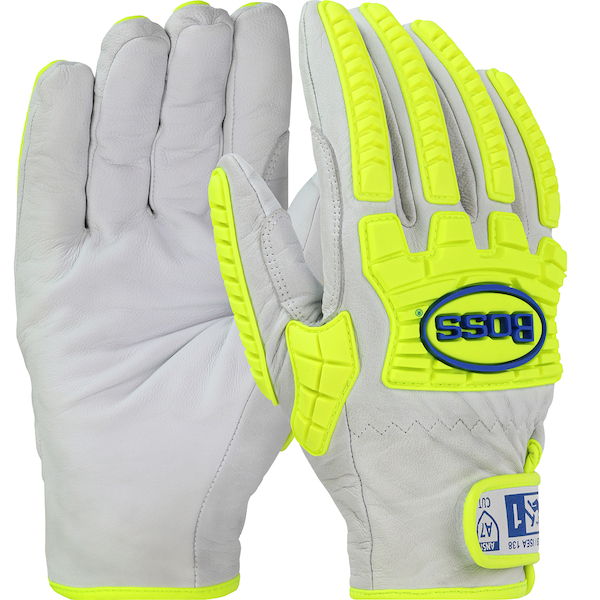
Hi Performance GloveBoss®9916
Arc Protection KitsPIP®9150-52436
Safety HelmetsTraverse™280-HP1491RM
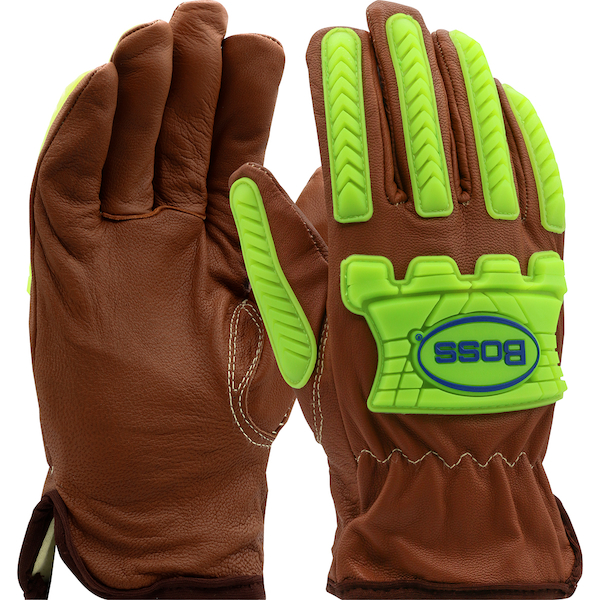
Hi Performance GloveBoss® XtremeKS993KOAB
Protection From ColdG-Tek® PolyKor®41-8035
Extended Use Disposable GlovesGrippaz™ Skins67-246
Hi-Vis Cold GearPIP®343-1756

Caiman® Kontour™Comfortable Welding Gloves

The Importance of Providing Proper Fitting PPE For Women
 (3).jpg)
Revolutionizing Safety with GORE-TEX Pyrad® for Unmatched Arc-Rated PPE Comfort

INTERACTIVE CROSS REFERENCE

THE INDUSTRY'S MOST COMPREHENSIVE OFFERING OF COLD WEATHER PPE

Bouton® FogLess® 3Sixty™ Technology

Essential PPE for Contamination Control in High-Sensitivity Manufacturing Environments

G-Tek® Paradox™Ultra-Lightweight 21G Technology

JSP Force Typhoon™ 8 Twin Filter Half Masks with PressToCheck™

ATA Fiber Technology Strength Meets Comfort

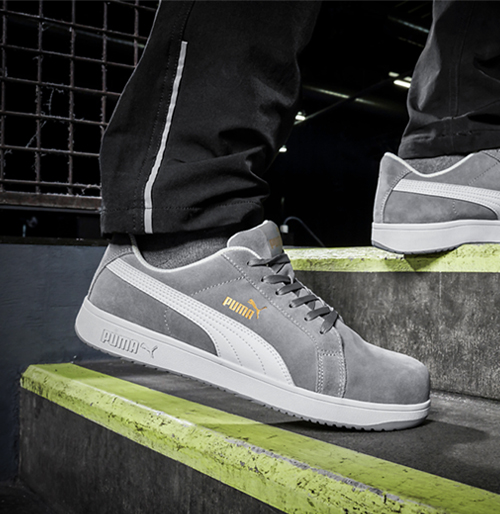
PUMA® SAFETY SHOESHIGH-PERFORMANCE SAFETY FOOTWEAR

BioSoft™ THE WORLD'S FIRST SUSTAINABLE BIO-BASED EAR PLUGS

THE BROADEST LINE OF TYPE II HEAD PROTECTION

Bisley® X-Airflow™Breathable Safety Garments

Hand Protection

PPE For Emergency Responders

INTERACTIVE CROSS REFERENCE

THORZT™ RAPID REHYDRATIONFor the Industrial Athlete
SAFETY IN A FLASHEflare™ Warning Beacons

G-Tek® VRX™ ADVANCED PROTECTION

DISASTER RELIEF PPEEssential Protection for Rescue and Recovery Teams

HALF MASK RESPIRATORS REVOLUTIONARY FORCE TYPHOON™8

Kut Gard® ATA® PreventWear™ Cut Resistant Garments

HAND AND ARM PAIRING GUIDE

ON-SITE PPE ASSESSMENT

Understanding the Main Differences in Welding JacketsLeather vs. FR Cotton (Q&A)

BOSS® FOOTWEARAdvanced Protection & Comfort

How the New ANSI/ASSP Heat Stress Standard is Intensifying Workplace Safety

Bouton OpticalAdvanced Lens Technologies in Safety Eyewear™

4 HIDDEN JOBSITE RISKS And How To Avoid Them

ARC-RATED PYRAD FABRIC TECHNOLOGY BY GORE-TEX LABS

ON-SITE PPE ASSESSMENT

MAKE THE SWAPSustainable Hearing Protection that Doesn't Break the Bank
THE CUT PROTECTION EVOLUTIONWhy It’s Time to Upgrade to A4-A6 Gloves

Barrier Solutions for Clean and Efficient EV Battery Production

Head Protection

COMPARING ADVANCED HEAD PROTECTION SOLUTIONS

PPE For Emergency Responders

Heated Apparel For Cold Climates

THROUGH THE WRINGERHow Industrial Launderable Workwear Stands Up to Mining and Oil & Gas

G-TEK® POSIGRIP MAXLess Effort, More Control.

PIP® WEAR TRIALS

vSeries™ Ear Muffs

WELDING SAFETY SELECTOR GUIDE

3SP ONLINE TRAINING

BisleyPREMIUM EXTREME COLD WORKWEAR

Natural Disaster Relief PPE EXPECT THE UNEXPECTED

MADE-TO-ORDER SLEEVES Custom Options for Enhanced Performance

ADVANCED HEAD PROTECTION EQUIPMENTfor Safer Construction Sites

ON-SITE PPE ASSESSMENT

THORZT™Hydration Solutions Formulation

DISASTER RELIEF PPEEssential Protection for Rescue and Recovery Teams

NOVAX ELECTRICAL SAFETYNot All Gloves Are Created Equal

DISASTER RELIEF PPEEssential Protection for Rescue and Recovery Teams

CONTROLLED ENVIRONMENT SELECTOR GUIDE

3SP ONLINE TRAINING

CUSTOM LOGO SERVICES FAST, EASY & PRECISE

EYE PROTECTION SELECTOR GUIDE
THE HERITAGE LINEPUMA® SAFETY SHOES

Protective Clothing
According to a report from the American Journal of Industrial Medicine, construction workers have the highest rate of brain injuries among U.S. workers – both fatal and nonfatal. Traumatic brain injuries represented 25% of all construction fatalities and 24% of all occupational traumatic brain injury fatalities. The report cited the leading causes of traumatic brain injuries for construction workers to be falls from roofs, ladders and scaffolds.1
With studies reporting such staggering statistics as these, it’s no surprise that head protection has become a popular topic in discussions surrounding construction worker safety. It also may explain why more and more construction companies have been exploring the use of safety helmets, rather than traditional hard hats, when assessing their head protection needs. This trend can be attributed to the perception that all safety helmets provide the same enhanced level of head protection by protecting workers from both top-of-head and side impact hazards. This misconception assumes that safety helmets possessing a foam liner, a common feature among safety helmets, will protect to the equivalent of a Type II style, which is not true. The foam liner is not what escalates a safety helmet from providing Type I to Type II protection. Specific testing is required in order to receive Type II status, which is what renders the helmet effective in protecting against side impact. The first step in unveiling any protection misconceptions is understanding the difference between Type I and Type II hard hats or safety helmets.

TYPE I (Top Impact)
Designed to reduce the force of impact to the top of the head

TYPE II (Top and Lateral Impact)
Offers side (lateral) impact protection which reduces the force of impact resulting from a blow which may be received off center as well as to the top of the head
The main difference between Type I and Type II hard hats and safety helmets is the type of impact that they protect against:
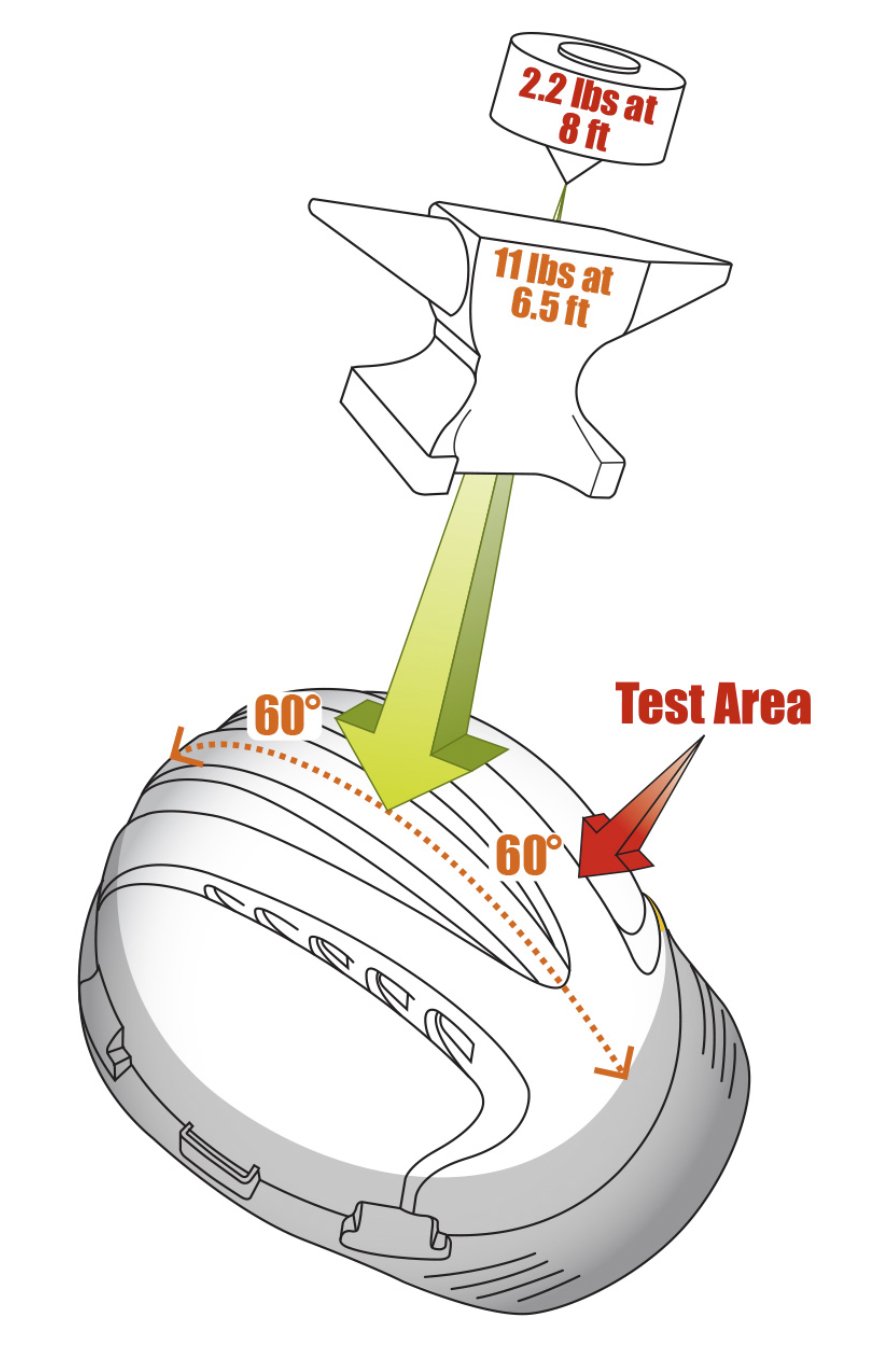
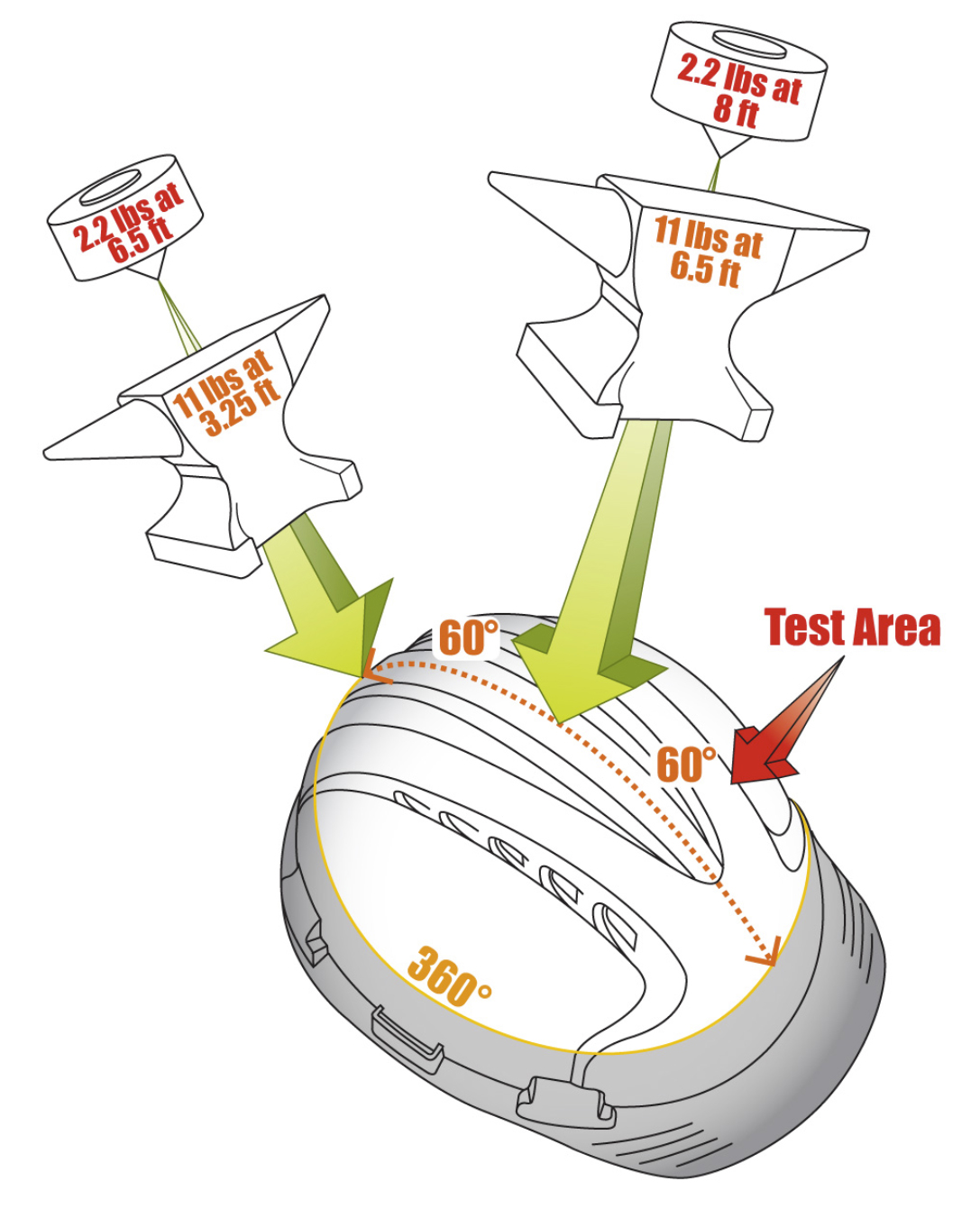
This element is straightforward. However, an additional component that distinguishes Type I styles from Type II styles is that Type II styles are subjected to more testing. Both Type I and Type II hard hats are subject to penetration testing, but:
The Impact Energy Attenuation test is different than the force impact test because this test has the protector falling to strike an object, instead of force impact tests, which have an object striking the protector. This is intended to represent a real-world situation where a worker may strike an object during a slip or fall. This scenario aligns with what the report we referenced at the beginning of this article attributed most traumatic brain injuries to – construction workers falling or slipping from roofs, ladders and scaffolds.
There’s one final difference in the testing that Type II styles are subject to in comparison to Type I styles – this one relates to the chin strap. If a Type II hat is provided with a chin strap, there’s an additional testing procedure for the retention and elongation of the chin strap. On Type I hats, there is no chin strap retention test that’s required to meet the ANSI Z89.1 standard.


When identifying which type of head protection fits your needs – a Type I or Type II style – evaluating your work environment and assessing the hazards is critical. Your work environment plays a crucial role because you may not require the additional protection that comes with a Type II style. Here are a few questions you can ask to determine the right level of protection for your application:
Due to the varying hazards when working at heights, a safety helmet may be the best fit for you if it is tested to ANSI Z89.1 Type II standards. That is the only way to guarantee you are receiving an increased level of protection from falls or slips. While there are other standards that are enforced or adopted in markets across the world, it is important to remember that in the United States, OSHA has only adopted the ANSI Z89.1 standard for head protection. Compliance enforcement and judgment of whether the level of protection is adequate is only based on compliance with ANSI Z89.1, not any other standard in any other market worldwide.
In summary, it is important to recognize the differences between the testing requirements of Type I and Type II styles. Additional features, such as a foam liner or chin strap, does not make a Type I hard hat offer equivalent protection to a Type II. Assessment of the potential workplace hazards is also crucial to determining which product will provide the best protection for the work environment.
Since there are so many different industries and applications where head protection is required, there are multiple categories and styles of head protection to consider. Evaluating the work environment and assessing the hazards is a critical first step.
PIP® offers an extensive line of Type I and Type II hard hats and safety helmets that protect workers from falling objects in multiple industries, from heavy-duty mining to residential construction. Our Dynamic® line of head protection is also produced in North America using state-of-the-art robotic manufacturing.
Discover the right head protection for your needs here


REFERENCES:
1. Tiesman H, Konda S, Reichard A (2016). Fatal traumatic brain injuries in the construction industry: 2003−2010. Am. J. Ind. Med. 59:212–220.
This article was originally published in OH&S Magazine’s January/February 2020 issue and has been modified to reflect current market trends.
PIP® Wins the 2025 OH&S Industrial Hygiene Award for G-Tek® Paradox™ 21-Gauge Cut Resistant Gloves
PIP® is thrilled to announce that we have been named a 2025 Occupational Health & Safety (OH&S) Industrial Hygiene Award winner in the Hand Protection: Cut/Puncture category for the NEW G-Tek® …
READ MOREChoosing the Right Gloves for Automotive Manufacturing and Aftermarket Environments
In the fast-paced world of automotive manufacturing and aftermarket services, hands are the most valuable tools. Whether assembling intricate vehicle components on production lines, performing maintenanc…
READ MOREThrough the Wringer: How Industrial Launderable Workwear Stands Up to Mining and Oil & Gas
In 2025, the mining and oil & gas industries continue to play a critical role in global energy production and resource extraction. With increasing demand for raw materials and energy, companies are p…
READ MOREProposition 65 | Privacy Policy | Contact Us | Full Site
© 2012-2025 Protective Industrial Products, Inc. All rights reserved.
CALL US TODAY: (518) 861-0133
CUSTOMER SERVICE DIRECT: (855) 284-6800